New MCP server — Bring vulnerability intelligence into your AI
Back to feed

CVE-2021-30310

NVDCIRCLENISA

EUVD-2021-17241 · Published Oct 20, 2021

Possible buffer overflow due to Improper validation of received CF-ACK and CF-Poll data frames in Snapdragon Auto, Snapdragon Connectivity, Snapdragon Consumer Electronics Connectivity, Snapdragon Consumer IOT, Snapdragon Industrial IOT, Snapdragon IoT, Snapdragon Mobile, Snapdragon Voice & Music

Technologies

Qualcomm Sdx20M FirmwareQualcomm Wcn3610 FirmwareQualcomm Wcn3660B FirmwareQualcomm Mdm9250Qualcomm Sa515M FirmwareQualcomm Qca9369 FirmwareQualcomm Wsa8810 FirmwareQualcomm Mdm9250 FirmwareQualcomm Sd821 FirmwareQualcomm Sd845 FirmwareQualcomm Qca6320Qualcomm Sa6155Qualcomm Sm7250 FirmwareQualcomm Mdm9640 FirmwareQualcomm Qca6574AQualcomm Sdx20 FirmwareQualcomm Wcd9341 FirmwareQualcomm Sd820Qualcomm Wcd9335 FirmwareQualcomm Wsa8835 FirmwareQualcomm Wcn3950Qualcomm Sd765GQualcomm Wcd9326Qualcomm Wcn3610Qualcomm Qca6595Qualcomm Wcd9370Qualcomm Wcd9380 FirmwareQualcomm Qca9886 FirmwareQualcomm Qca4020Qualcomm Mdm9206 FirmwareQualcomm Apq8053 FirmwareQualcomm Msm8996Au FirmwareQualcomm Qca9377Qualcomm Qcm2290Qualcomm Qcm2290 FirmwareQualcomm Wcn3680BQualcomm Sa6145PQualcomm Sdx20Qualcomm Qca6564 FirmwareQualcomm Wcn3998 FirmwareQualcomm Sa8155 FirmwareQualcomm Sd750GQualcomm Wcn3615 FirmwareQualcomm Wcn3660BQualcomm Sd845Qualcomm Qca6310 FirmwareQualcomm Sd765Qualcomm Sa515MQualcomm Sa8150P FirmwareQualcomm Qca6584Au FirmwareQualcomm Wcn3988Qualcomm Wcd9335Qualcomm Qca6574AuQualcomm Wcn3988 FirmwareQualcomm Wcn3950 FirmwareQualcomm Qca9886Qualcomm Sd690 5G FirmwareQualcomm Sa8150PQualcomm Csrb31024Qualcomm Sa8195PQualcomm Qca6696Qualcomm Apq8053Qualcomm Qca6584AuQualcomm Sd765 FirmwareQualcomm Qca6564AuQualcomm Qca4531Qualcomm Mdm9628Qualcomm Qca6564AQualcomm Wcd9385Qualcomm Wcn3991 FirmwareQualcomm Sd210Qualcomm Sd210 FirmwareQualcomm Sd750G FirmwareQualcomm Qcs2290Qualcomm Sdx55Qualcomm Qca6574Au FirmwareQualcomm Sdx20MQualcomm Sa6155PQualcomm Qca6175AQualcomm Wcn3615Qualcomm Wcn3680B FirmwareQualcomm Wsa8830Qualcomm Wcd9340 FirmwareQualcomm Wcd9375Qualcomm Qca6174A FirmwareQualcomm Sa6145P FirmwareQualcomm Sa8145P FirmwareQualcomm Qca6564Qualcomm Mdm9626 FirmwareQualcomm Csrb31024 FirmwareQualcomm Sd480Qualcomm Wcn3990 FirmwareQualcomm Sd480 FirmwareQualcomm Mdm9650 FirmwareQualcomm Qca9377 FirmwareQualcomm Sd768G FirmwareQualcomm Wcn3998Qualcomm Qca6574 FirmwareQualcomm Wcd9370 FirmwareQualcomm Mdm9640Qualcomm Mdm9655Qualcomm Qca6595 FirmwareQualcomm Qca6564A FirmwareQualcomm Mdm9655 FirmwareQualcomm Sd768GQualcomm Wcd9380Qualcomm Apq8017 FirmwareQualcomm Sa6150P FirmwareQualcomm Sd820 FirmwareQualcomm Wcd9330Qualcomm Mdm9607 FirmwareQualcomm Qca6564Au FirmwareQualcomm Apq8096Au FirmwareQualcomm Apq8096AuQualcomm Qca6175A FirmwareQualcomm Qca6574A FirmwareQualcomm Wsa8810Qualcomm Apq8009Qualcomm Sdx24 FirmwareQualcomm Qca4531 FirmwareQualcomm Sm7250Qualcomm Wsa8815Qualcomm Sa8155PQualcomm Sa8195P FirmwareQualcomm Qca4020 FirmwareQualcomm Sa6150PQualcomm Qca6174AQualcomm Sd821Qualcomm Qca9367 FirmwareQualcomm Mdm9650Qualcomm Sa8155P FirmwareQualcomm Wcd9340Qualcomm Wcd9326 FirmwareQualcomm Apq8009 FirmwareQualcomm Sd690 5GQualcomm Mdm9626Qualcomm Qca9379Qualcomm Qca9367Qualcomm Wcd9360 FirmwareQualcomm Wcn3990Qualcomm Wsa8830 FirmwareQualcomm Mdm9628 FirmwareQualcomm Qca6320 FirmwareQualcomm Sa6155 FirmwareQualcomm Wcn3910Qualcomm Sd765G FirmwareQualcomm Mdm9206Qualcomm Qca6595Au FirmwareQualcomm Msm8996AuQualcomm Wcd9385 FirmwareQualcomm Wsa8835Qualcomm Wsa8815 FirmwareQualcomm Wcd9360Qualcomm Qcs2290 FirmwareQualcomm Apq8017Qualcomm Wcn3991Qualcomm Sa8155Qualcomm Sdx24Qualcomm Wcd9341Qualcomm Wcn3910 FirmwareQualcomm Sa8145PQualcomm Qca9379 FirmwareQualcomm Sa6155P FirmwareQualcomm Qca6595AuQualcomm Sdx55 FirmwareQualcomm Mdm9607Qualcomm Wcd9330 FirmwareQualcomm Qca6310Qualcomm Qca6696 FirmwareQualcomm Qca6574Qualcomm Qca9369Qualcomm Wcd9375 Firmware

Weaknesses

CWE-20

CVSS scores

  • v3.17.5CVSS:3.1/AV:N/AC:L/PR:N/UI:N/S:U/C:N/I:N/A:H
  • v2.05.0AV:N/AC:L/Au:N/C:N/I:N/A:P

MITRE ATT&CK

Inferred

Where this vulnerability fits in an attack

Initial Access

References

Potentially impacted assets

See if this affects your attack surface

Latest trending attack

Criticalyesterday

Google Brotli decoder - Remote Code Execution via compressed requests (Exploitation Check)

This control is the second step of the Patrowl response to CVE-2026-111497 (Node2Shell). It complements the first control of 22 October 2026, which focused on the Node.js runtime, and does not replace it. Why a second control CVE-2026-111497 is an out-of-bounds write in the Google Brotli decoder, the library that decompresses Brotli ("br") data. It was first published as a Node.js vulnerability, because Node.js bundles this decoder. Later publications showed that the flaw is in the library itself. Every product that embeds an affected version of the decoder is concerned, whatever its language or vendor. A public proof of concept demonstrates code execution. Any server that decompresses request bodies sent with "Content-Encoding: br" exposes the decoder to unauthenticated attackers. Known cases include Express 5 and NestJS 11 on Node.js, Koa and Fastify setups, Bun, Envoy and Istio with request decompression enabled, and any application or reverse proxy that decodes Brotli request bodies with an affected library. The flaw also works in the other direction. A malicious server can compromise an unpatched client that decodes a Brotli response, for example Node.js fetch(), Python clients (requests, httpx, aiohttp, Scrapy) with the Brotli or brotlicffi package, or libcurl builds with Brotli support. What this control checks Patrowl sends small, valid Brotli-compressed requests to each asset and observes whether the server decodes them. The check does not depend on the technology: it detects the behaviour, whatever the stack behind it. These requests are what any legitimate client could send. They never reach the vulnerable code path and cannot affect the availability of the service. How to read the result Potentially impacted means the asset decodes Brotli request bodies: the attack surface is exposed. It does not confirm that the asset is vulnerable. The version of the Brotli decoder in use is not visible from the outside. This check covers applications that parse request bodies on their root path. A Not impacted result does not rule out exposure on other routes, nor on the client side. Checking the versions on the servers remains the only exhaustive verification. Affected and fixed versions Google Brotli 1.0.3 to 1.2.0 are affected, fixed in 1.0.10, 1.1.1 and 1.2.1. Fixed releases of the main products embedding it: Node.js 22.23.4, 24.22.1 and 26.12.1 (end-of-life lines 20.x and older and 25.x receive no fix), Bun 1.4.4, Envoy 1.37.8, 1.38.6, 1.39.3 and 1.40.0, Istio 1.29.9, 1.30.6 and 1.31.2, Python Brotli 1.2.1 and brotlicffi 1.2.1.0. Products that link against the system library depend on the Brotli package of the Linux distribution. Recommendations Update every component that embeds the Brotli decoder (only real fix). Start with the assets flagged by this control. Restart the processes after the update. Rebuild containers, single-executable applications and appliances that bundle an affected runtime or library. Reduce the exposure until the update is deployed. Reject requests with "Content-Encoding: br" at the reverse proxy, load balancer or WAF, case-insensitively and including lists such as "gzip, br". On Envoy and Istio, disable request decompression for Brotli. Review outbound calls. List the features that fetch content from servers you do not control, and patch the services that host them first.

Take 15 minutes to discover our platform with our experts

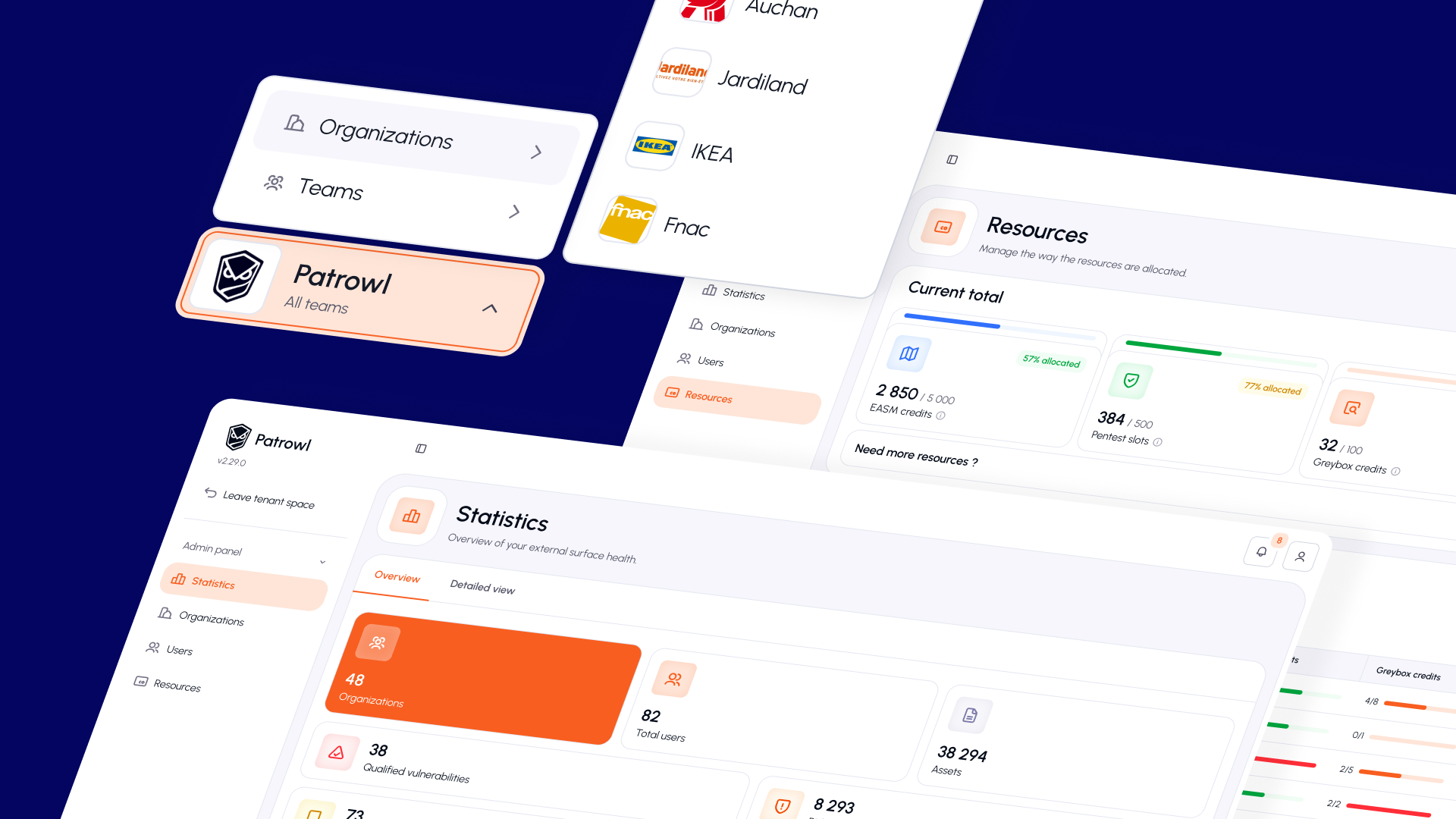
Patrowl Intel platform screenshot